
Top Tips for Creating a Safe and Fun Toddler Indoor Playground
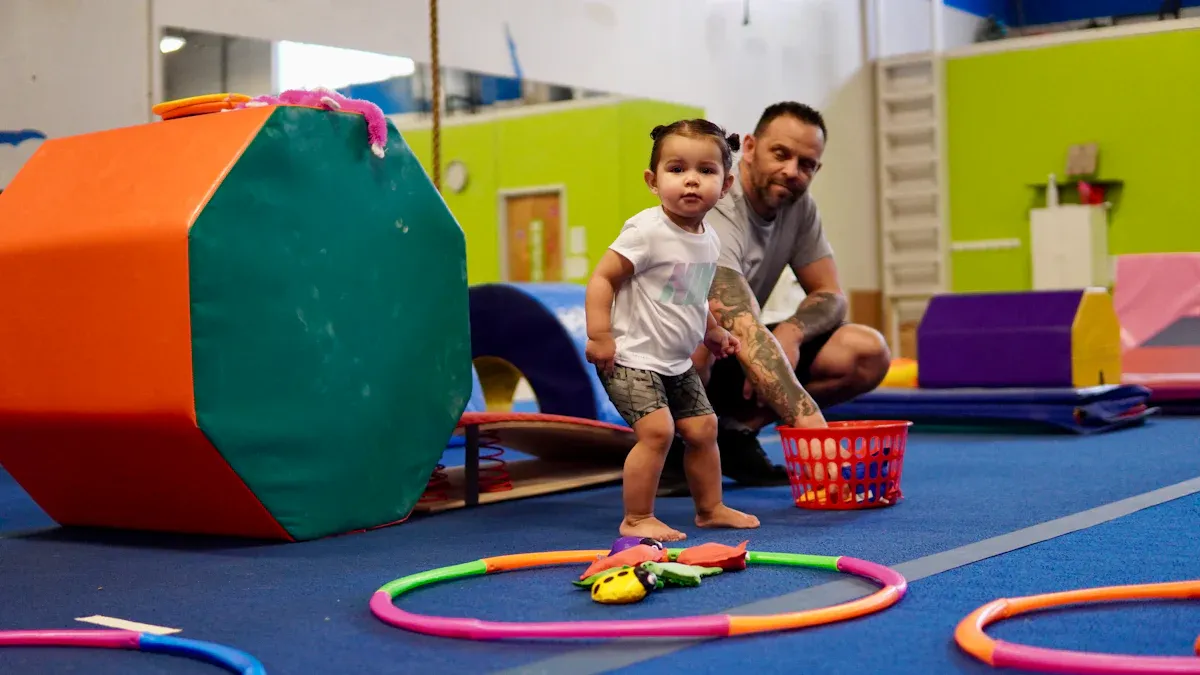
You want your child to play, learn, and explore safely. Many parents worry about safety in indoor playgrounds. Careful design helps parents feel sure and helps toddlers develop. When you pick commercial toddler indoor playground equipment, you think about safety and fun. Good design lets parents relax because their child is safe and having fun.
Key Takeaways
- Make sure there is enough room for each child to play. Use a tape measure to check the space. This helps stop the area from getting too crowded.
- commercial toddler indoor playground equipment Make different play areas for toddlers and older kids. This keeps everyone safe. It also lets kids do activities right for their age.
- Put down soft, padded flooring to help prevent injuries. Pick materials that are safe and easy to clean.
- Always follow safety rules and check the playground often. Make a checklist to make sure all equipment is safe and secure.
- Teach kids good playground manners with easy rules. Show them how to share and work together. This helps kids learn to play nicely.
Space and Layout Planning
Determining Indoor Play Area Size
When you plan your indoor play area, make sure each child has enough space. Kids need room to move and explore. You might ask, “How much space do I need?” Experts suggest certain space for each age group. Here is a simple chart to help you:
| Age Group | Recommended Space (m² per child) |
|---|---|
| Toddlers (1–2 years) | 1.5 |
| Preschoolers (3–4 years) | 2 |
| Older preschoolers (5–6 years) | 2.5 |
Measure your space to see how many kids can play safely. Avoid crowding so kids can crawl, walk, and play without bumping into others. More space helps stop accidents and lets everyone have fun.
Tip: Use a tape measure to find the length and width of your play area. Multiply these numbers to get the total square meters. Divide by the space needed for each child to know how many kids can play at once.
Separating Toddler and Older Children Zones
Toddlers and older kids need different things. Make separate zones so everyone stays safe and happy. Toddler zones should have soft floors and toys for their age. Older kids need harder equipment and more space to run. When you split these areas, each age group can play without worry.
commercial toddler indoor playground equipment Use low fences, bright mats, or furniture to show where each zone is. Put up clear signs so parents know where to take their kids. This makes your playground safer and more fun for all. Each child gets a space that fits their skills and interests.
A good commercial toddler indoor playground equipment indoor play area helps kids grow and learn. It also helps you feel calm. Kids can play and learn every day in a safe place.
Safety Tips for Indoor Playground Design
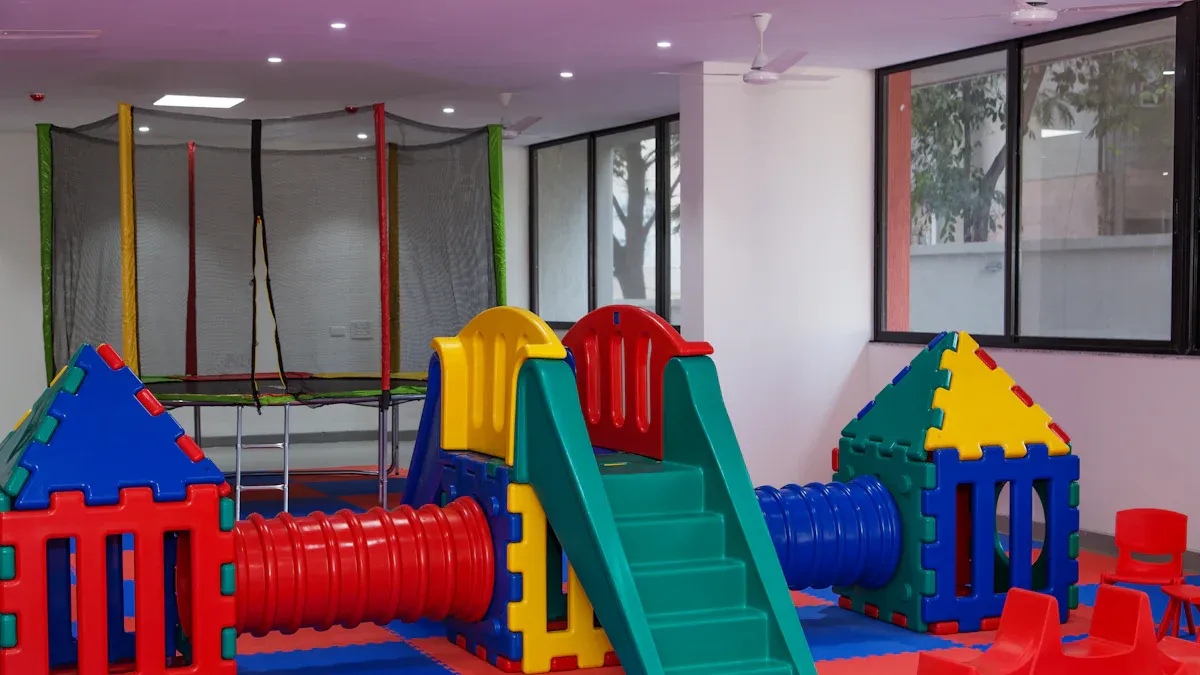
Planning a safe indoor playground for toddlers needs careful thought. You want kids to play and learn without fear. Here are some safety tips to help you follow rules and keep things fun.
Compliance with Safety Regulations
You must follow safety rules for your playground. These rules protect kids and help parents feel calm. First, check your local safety standards. Learn what your city or state asks for in playground design.
Safety checks are very important. Use this table to plan your inspections:
| Inspection Type | Frequency |
|---|---|
| Daily or weekly checks | Immediate concerns |
| Monthly or quarterly surveys | Wear and tear assessment |
| Bi-annual or annual inspections | Comprehensive professional review |
This schedule helps you find problems early. Daily checks help you spot dangers fast. Monthly surveys show if things need fixing. Annual inspections make sure you follow all safety rules. Doing these checks keeps your playground safe for every child.
Tip: Make a checklist for each inspection. Write down what you see and fix. This keeps you organized and shows parents you care about safety.
Soft and Padded Flooring
Soft floors are important in toddler playgrounds. Kids fall, but soft floors help stop injuries. You have many choices for soft surfaces. Here are some options:
| Flooring Type | Features |
|---|---|
| Shock Absorbing Flooring Systems™ | Designed for impact attenuation, meeting safety standards for fall hazards in play areas. |
| Shock Absorbing Carpet System™ | Provides cushioning for falls, enhancing safety in toddler play areas. |
| SafetyRug™ System | Offers a soft surface that helps reduce injury risk during falls. |
| Resilient Rubber Flooring System | Durable and hygienic, engineered to cushion falls effectively. |
| Resilient Vinyl Flooring System | Combines comfort and safety, suitable for indoor play environments. |
These floors meet safety rules for falls. They also follow ASTM F1292 for falls up to 6 ft. Pick the best floor for your space and budget. Soft floors help make your playground safe for toddlers.
Note: Clean your floors often. Dirt and spills can make floors slippery. Cleaning keeps your playground safe and looking nice.
Non-Toxic, Child-Safe Materials
Every part of your playground should be safe for kids. Non-toxic, child-safe materials are very important. Many playgrounds use high-density polyethylene (HDPE) because it is safe and strong. HDPE does not let out harmful chemicals, so you can trust your equipment.
Other safe materials are BPA-free plastics and lead-free paints. Check labels and ask suppliers about safety rules. Using non-toxic materials keeps kids safe from dangerous stuff while they play.
Tip: When you buy new equipment, ask for safety certificates. This helps you make sure everything meets safety rules.
Adult Supervision and Visibility
Watching kids is one of the best ways to stop accidents. Adults need to see every part of the playground. Kids without supervision are more likely to get hurt. A study showed 42% of injuries happened when adults were distracted by phones.
You can make supervision better by designing your playground for good visibility. Here are some tips:
- Make sure every area can be seen by staff. This helps you spot problems fast.
- Design the playground so adults can see kids from almost anywhere. This helps you watch kids who might run off.
- Use open structures, like windows and rope features, to keep sight lines clear.
- Make sure you can see across each play zone for easy supervision.
Good supervision and smart design keep kids safe. You can feel good knowing your playground is safe for play.
Tip: Remind parents to watch their kids and not use their phones. Good supervision keeps everyone safe and happy.
Use these safety tips to make your indoor playground safe and fun. When you follow rules, use soft floors, pick safe materials, and plan for supervision, you build a place where every child can play and grow.
Choosing Commercial Toddler Indoor Playground Equipment
Picking commercial toddler indoor playground equipment should make kids feel safe and happy. The best equipment helps children learn and have fun. There are important things to think about when choosing play equipment for your space.
Age-Appropriate Play Structures
Play equipment needs to fit toddlers’ needs. Choose items that match their size and abilities. Toddlers do best with low platforms and gentle slides. Handles should be easy for small hands to grip. Stay away from tall or tricky structures. These can scare or confuse young kids.
Multi-level play structures are good if they have ramps and wide steps. Soft barriers help keep toddlers safe. Add sensory panels, crawl tunnels, and soft climbing blocks. These features keep kids busy and help them learn balance and coordination.
Tip: Always look at the age range on play equipment. This helps you make a safe and friendly playground for all kids.
Secure Fixtures and Installations
Safety starts with strong and secure equipment. Make sure every piece is put together the right way. Use tough materials made for playgrounds. Follow the instructions from the manufacturer. This keeps everything sturdy and safe.
Check for sharp edges or loose bolts. These can hurt kids. Openings should not trap arms or legs. Surfaces should be smooth and corners should be rounded. Guardrails and barriers help stop falls on multi-level structures.
Here is a simple checklist for secure installations:
- Use equipment made for commercial playgrounds.
- Follow all assembly instructions.
- Look for sharp or dangerous hardware.
- Make sure openings are safe for toddlers.
- Test stability after installation.
When you focus on secure fixtures, parents feel calm. Kids can play without worry.
Equipment Maintenance
Taking care of your playground equipment is important. Regular checks help you find problems early. For busy playgrounds, inspect everything once a month. If your playground is less busy, check every few months. For low-use areas, check once or twice a year. You can also make a plan that fits your needs.
Here is an easy maintenance routine:
- Read the instructions from the manufacturer. Learn how to care for each piece.
- Wash surfaces with soap and water. This keeps germs away and makes things look nice.
- Sanitize or disinfect all equipment. Clean places are important for toddlers.
- Clean up messes right away. Quick cleaning stops stains and keeps the area nice.
- Make a schedule for maintenance. Regular checks help you find wear and tear early.
- Try to prevent messes. Ask kids to eat snacks outside the play area.
Note: Clean and well-kept playgrounds last longer and keep kids safe. Parents notice when you care for your playground.
Choosing the right equipment, installing it safely, and keeping it clean all matter. You make a place where kids can play, explore, and grow every day.
Engaging Features for Indoor Play Area
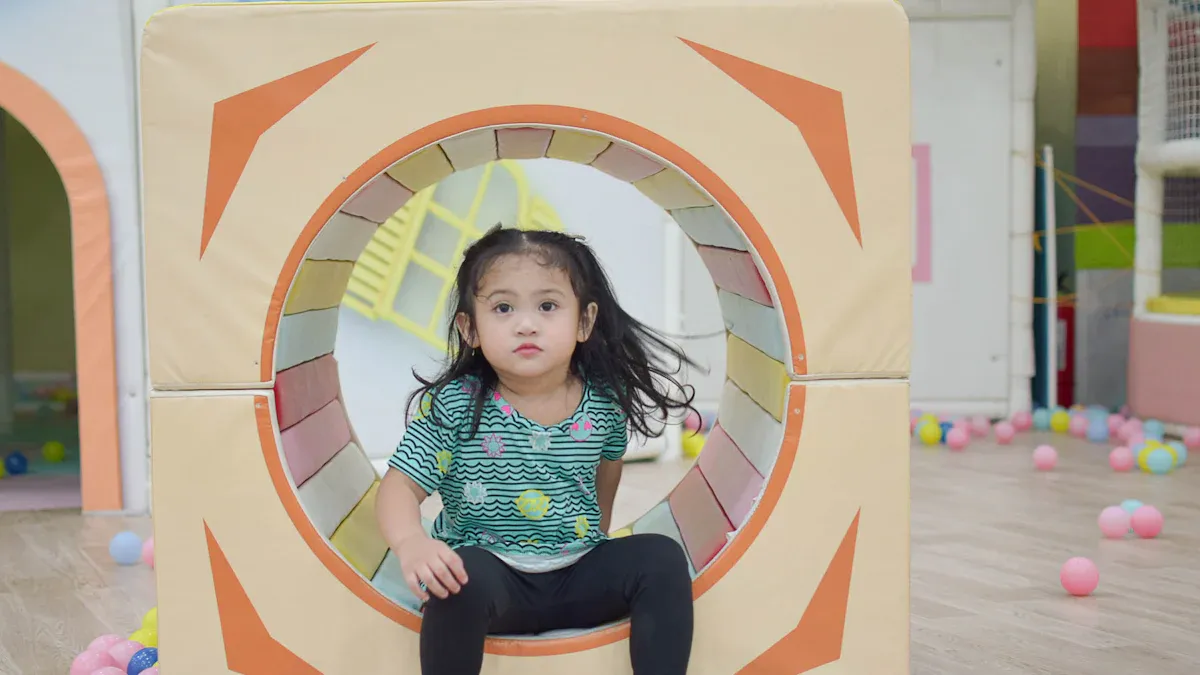
Themed Play Spaces
You can make your playground feel like a special place. Kids enjoy pretending to be in different worlds. A jungle, ocean, or space theme can make play more fun. You could use animal tunnels, bright murals, or a pretend spaceship. These things help kids feel like they are in a story. Toddlers can act as explorers, astronauts, or divers. Playing this way helps kids use their imagination. It also makes them want to come back and play again.
Interactive and Sensory Elements
Interactive and sensory features make play better for kids. Toddlers learn by using their senses. You can add walls with textures, music panels, or water tables. These things let kids touch, listen, and explore. Sensory play helps kids talk, solve problems, and make friends. It also helps with small and big movements. Here are some ways sensory play helps toddlers:
- Shoveling, scooping, and dumping teach about weight and effort.
- Games like Simon Says help kids listen and remember.
- Cooking play, like making pretend popcorn, uses all five senses.
When you give these choices, kids can move, think, and play together. Sensory play also helps kids stay active and grow strong.
Rotating Activities
Kids like trying new things. You can keep your playground fun by changing activities often. Switch toys, games, or art projects every few weeks. This keeps kids excited and helps them learn new skills. You might have puzzles one week and an obstacle course the next. Changing activities lets you match play to the season or a holiday. Parents will see their kids stay interested and happy.
Tip: Ask parents and kids what they like best. Their ideas can help you plan the next fun activity.
Cleanliness and Hygiene in Indoor Playground
Easy-to-Clean Surfaces
It is important to keep your playground clean and safe. Picking the right materials makes cleaning simple. Some surfaces are easy to wipe and last a long time. Here are some good choices:
| Material | Benefits | Maintenance Level | ADA Compliance |
|---|---|---|---|
| PIP | Strong, easy to clean, comes in many colors and patterns | Low | Yes |
| Rubber Tiles | Cheap, simple to put in, easy to keep clean, lots of colors | Low | Yes |
| DuraSoft Carpet | Needs little care, tough, looks nice | Low | Yes |
You can clean these surfaces fast. This helps stop germs and keeps kids safe. When you use easy-to-clean materials, you spend less time cleaning. You get more time to watch kids play.
Hygiene Stations
Kids touch many things when they play. Hygiene stations help keep hands clean. Put hand sanitizer near doors. Add sinks with soap and paper towels. These stations remind everyone to wash hands before and after play. Parents feel good when they see you care about safety.
Tip: Use bright signs or stickers on hygiene stations. Kids like fun colors and remember to wash their hands.
Cleaning Protocols
You need to follow cleaning steps to keep kids safe. Health experts suggest these actions:
- Sanitizing lowers germs on surfaces. Use gentle sprays or weak bleach after cleaning.
- Disinfecting kills more germs. Use strong cleaners if someone is sick.
- Clean dirty spots every day, like toys and tables.
- Use the right cleaner for each surface. Always read the label.
- Sanitize items after each use, especially for babies and toddlers.
- Disinfect bathrooms and changing tables often.
Cleaning often helps stop sickness. It keeps your playground ready for safe play. When you follow these steps, parents know you care about safety and cleanliness.
Emergency Preparedness and Response
Emergency Exits and Plans
You want every child to feel safe while they play. Emergencies can happen fast, so you need clear exits and a solid plan. Walk through your playground and spot every exit. Make sure doors open easily and nothing blocks the way. Put up bright signs that show the way out. Practice emergency drills with your staff. When you run a drill, everyone learns what to do if something goes wrong.
Tip: Draw a simple map of your playground. Mark all exits and share it with parents. This helps everyone know where to go if they need to leave quickly.
First Aid Access
Accidents can happen even in the safest places. You need first aid supplies close by. Keep a stocked first aid kit in an easy-to-reach spot. Check your kit every month and refill anything you use. Place a list of emergency phone numbers next to the kit. If a child gets hurt, you can act fast.
Here’s a quick checklist for your first aid station:
- Bandages
- Antiseptic wipes
- Ice packs
- Gloves
- Emergency contact list
You show parents you care when you keep first aid ready. Quick action can make a big difference.
Staff Training
Your staff needs to know what to do during emergencies. Train everyone to use first aid kits and follow your emergency plan. Hold short training sessions every few months. Use role-play to practice real situations. Staff should know how to help children stay calm and safe.
Note: Give staff a simple guide with steps for emergencies. Review it together so everyone feels confident.
When you prepare for emergencies, you create a safe place for kids to play and explore. Parents trust you more when they see your team is ready for anything.
Teaching Playground Etiquette
Simple Rules for Toddlers
You want your toddler to have fun and stay safe. Setting clear rules helps everyone enjoy the playground. Simple rules work best for young children. Try these easy guidelines:
- Stay within sight. Always keep your toddler where you can see them.
- Use the equipment properly. Show your child how to hold handrails and slide feet first.
- Avoid rough play. Remind your toddler not to push or hit others.
- Wear appropriate clothing and shoes. Choose outfits that help your child move safely.
Tip: Repeat these rules before each visit. Use short phrases and gentle reminders. Kids learn best when you keep things simple and positive.
Encouraging Sharing and Cooperation
Toddlers love to play, but sharing does not always come naturally. You can help your child learn to take turns and work with others. Try these ideas:
- Model sharing by taking turns with toys or equipment.
- Praise your child when they wait patiently or let someone else go first.
- Use phrases like, “Your turn, then my turn,” to teach the idea of waiting.
- Set up group games that need teamwork, like building a block tower together.
A little encouragement goes a long way. When you celebrate small acts of kindness, your child feels proud and wants to repeat them.
Parent and Caregiver Involvement
Your role matters in teaching good playground manners. Stay close and watch your child as they play. Step in gently if you see unsafe behavior or a problem with sharing. Talk to other parents and agree on basic rules for the group. This helps everyone feel comfortable.
You can also use a simple table to track your child’s progress:
| Skill | Practiced Today? | Needs More Practice? |
|---|---|---|
| Waiting for a turn | ✅ | ⬜️ |
| Using equipment safely | ✅ | ⬜️ |
| Playing gently | ✅ | ⬜️ |
Note: Celebrate small wins. A sticker or a high-five can make your child excited to follow the rules next time.
Teaching playground etiquette takes patience, but you help your child build skills for life. With your support, every visit becomes a chance to learn and grow.
You can make a good place for toddlers by thinking about safety and fun. Pick equipment that fits their age. Keep the playground clean. Teach kids to use good manners. When you plan your indoor playground, you help kids have fun every day. Playing helps kids grow in many ways:
| Developmental Benefit | Description |
|---|---|
| Cognitive Skills | Pretend play and solving problems help kids think better. |
| Emotional Skills | Playing with others and free play make kids feel confident. |
| Physical Skills | Moving and trying new things make kids stronger. |
| Social Skills | Playing together helps kids make new friends. |
A smart play area helps your child learn and grow. It also helps your family feel calm and happy.
FAQ
What is the best flooring for a toddler indoor playground?
You want soft, padded flooring. Rubber tiles or carpet systems work well. These surfaces help prevent injuries when kids fall. You can clean them easily. Look for flooring that meets safety standards.
How often should I clean the play equipment?
You should clean high-touch surfaces every day. Wipe down toys, slides, and tables after each play session. Use safe cleaning products. Regular cleaning keeps germs away and helps kids stay healthy.
Do I need to separate toddlers from older kids?
Yes, you should create separate zones. Toddlers need gentle equipment and soft surfaces. Older kids play rougher and need more space. Clear boundaries help keep everyone safe and happy.
What safety checks should I do?
Check equipment for loose bolts, sharp edges, and broken parts. Inspect flooring for damage. Make sure exits stay clear. Use a checklist to track inspections. Regular checks help you spot problems early.
How can I encourage sharing and cooperation?
Model sharing with your child. Praise them when they take turns. Set up group games that need teamwork. Use simple phrases like, “Your turn, then my turn.” Kids learn best when you show them how to share.