
Top Features to Check in commercial Playground Equipment for 2025
When you pick commercial playground equipment
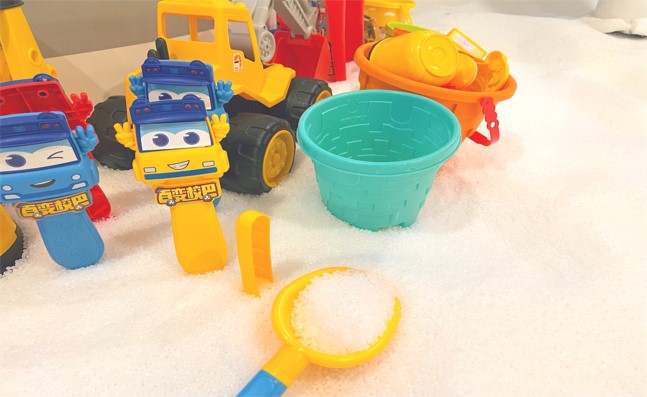
look for these features to make a safe and fun place for all:
- Safety: Stopping injuries is most important. Experts say safety shapes new designs and rules.
- Durability: Strong parts and regular checks stop dangerous damage.
- Accessibility: ADA rules help every child play.
- Age Appropriateness: The right equipment fits kids’ skills.
- Layout: Good design helps kids play and lowers risks.
- Value: Upkeep and new features, like interactive play, give long-term rewards.
| Aspect | Key Insight |
|---|---|
| Safety | Over 70% of playground injuries are from falls, often on unsafe ground. |
| Accessibility | ADA rules let kids of all abilities play outside safely. |
| Durability | Upkeep is key to stop dangers. |
| Age Appropriateness | The right equipment helps kids grow safely. |
| Layout | Smart design helps kids play more and stay safe. |
Remember these features to make a playground that is safe, welcoming, and fun.
Key Takeaways
- commercial playground equipment Put safety first by picking equipment with surfaces that absorb impacts. This helps lower the chance of injuries.
- Pick strong materials that can handle bad weather. These materials need less fixing as time goes on.
- Make sure everyone can play by using ADA rules. This lets all kids play together and feel comfortable.
- Set up areas for different ages. Match activities to how kids grow. This makes play safer and more fun.
- Think about where the playground is and what it offers. This helps make families feel welcome.
Playground Safety Features
Impact-Absorbing Surfaces
commercial playground equipment Picking the right surface helps stop injuries. New playground rules say surfaces must absorb shock. In 2025, standards will need even better impact absorption. This helps protect kids from head injuries. Poured-in-place rubber, engineered wood fiber, and rubber tiles work well. Playgrounds with rubber surfaces have fewer injuries than bark. They also have much fewer injuries than concrete. The American Society for Testing and Materials and the Consumer Product Safety Commission say safety surfacing is important. It helps with both safety and accessibility.
| Surfacing Type | Example Materials | Key Benefits | Notable Drawbacks |
|---|---|---|---|
| Loose-fill | Engineered wood fiber, sand | Absorbs impact well, costs less | Needs lots of care |
| Unitary | Poured-in-place rubber | Stays the same, ADA-compliant, lasts long | Costs more at first |
| Grass/Soil | Natural turf | Costs less at first | Does not absorb impact well |
Secure Barriers and Guardrails
Barriers and guardrails stop falls from high places. The height should match the age of the kids. Toddlers need barriers at least 18 inches tall. Preschoolers need 30-inch barriers. School-age kids need 48-inch guardrails. These keep kids from falling and help keep the playground safe. Check barriers often for damage or loose parts. This helps keep play areas safe.
Fall Height and Safety Standards
You need to follow new safety rules to lower injury risks. In 2025, ASTM F1487-25 and the new Public Playground Safety Handbook set stricter rules. These rules cover fall heights and shock absorption. The new rules lower the maximum G-max and Head Injury Criterion values. This means surfaces must absorb more impact. These changes help stop head injuries and concussions. These injuries happen a lot on playgrounds. Always make sure your equipment and surfaces meet the new safety rules.
Tip: Check and upgrade your playground often. This helps you follow new safety rules and keeps every child safe.
Durable Materials and Construction
Weather-Resistant Coatings
commercial playground equipmentt should last through all weather. Special coatings help surfaces stay strong and safe for a long time. In places with freezing and thawing, galvanized steel with powder coating works best. Hot and sunny areas need UV-stabilized polyethylene to stop fading and warping. Cold places need tough plastic that does not break easily. Coastal areas do well with marine-grade stainless steel and HDPE plastic. Humid or rainy places need composites and powder-coated steel to last longer.
| Climate Type | Recommended Materials |
|---|---|
| Hot & Sunny | UV-stabilized plastic, powder-coated steel playgrounds |
| Cold & Snowy | Steel (with rust protection), plastic recycled playgrounds |
| Coastal (Salt Air) | Marine-grade stainless steel, recycled playgrounds, HDPE plastic |
| Humid & Rainy | Composites, plastic, galvanized or powder-coated steel playgrounds |
| Desert (Dry + Hot) | Plastic for surfaces, steel for structural strength |
Tip: Use shade and plan for good drainage. This keeps surfaces safe and the playground cool and dry.
Strong Fasteners and Steel/Wood Options
Picking the right materials and fasteners is important for playgrounds. Steel does not rot or get damaged by pests or weather. It needs less care than wood and lasts longer. Wood looks natural but needs sealing often and can split or rot. Plastic is light and safe for kids but can fade or bend in very hot or cold weather. Composite materials do not soak up water and need little care. They work well for decks and climbing areas.
| Material | Pros | Cons | Impact on Application |
|---|---|---|---|
| Metal | Very strong, lasts long, easy to clean and care for | Costs more at first, gets hot in sun, needs coatings | Used in busy areas, needs safe edges and coatings |
| Plastic | Light, costs less, resists sun, safe for kids | Not as strong as metal, can fade and bend in heat or cold | Used for slides and climbing, focuses on safety and kid-friendly features |
| Wood | Strong, can be shaped, looks natural | Needs lots of care, can splinter | Used in nature-style playgrounds, looks rustic but needs more work |
| Composite | Does not soak up water, needs little care, lasts long | Costs more at first, harder to make | Good for decks and climbing, where safety and strength matter |
Vandalism and Wear Protection
Keeping playgrounds safe from damage and vandalism is important. You can use many ways to help protect the playground:
- Pick equipment kids like to lower vandalism.
- Put up bright lights to scare off vandals.
- Use cameras for extra safety.
- Add coatings that make graffiti easy to clean.
- Do regular checks and repairs.
- Design open spaces so people can see everything.
- Use fences or gates to control who comes in.
- Get the community involved to build pride.
- Plan fun activities for kids and teens.
- Teach about why vandalism is bad.
Note: Checking and fixing things often keeps the playground safe and nice for everyone.
Accessibility and Inclusive Features
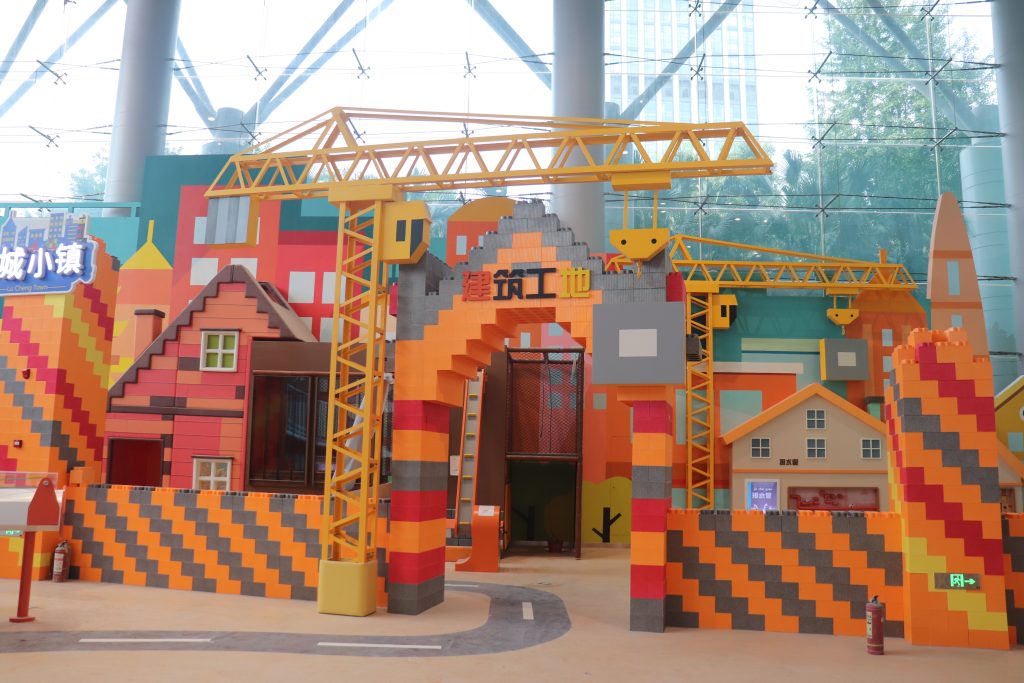
Wheelchair Access and ADA Compliance
All kids should have fun at the playground. New ADA rules in 2025 help make playgrounds open to everyone. Surfaces need to be firm and not slippery. Ramps and transfer systems help kids reach higher areas. Ground-level play should have different activities, like music panels and games. Check the playground often to keep it safe and up to date.
| Requirement Type | Description |
|---|---|
| Playground Surfaces | Surfaces must be firm, stable, and not slippery. They also need to meet impact standards. |
| Elevated Play Structures | Ramps or transfer systems must let kids reach higher play areas. Equipment should include everyone. |
| Ground-Level Play | There should be many activities for all kids. |
| Compliance Checks | Playgrounds need to be checked often to follow ADA rules. |
Tip: Planning for accessibility helps all kids play together and feel welcome.
Sensory Equipment for All Abilities
Kids learn best when they use all their senses. Sensory equipment lets every child join in, no matter their ability. You can add bumpy surfaces, music panels, and games. Quiet spots with shade give kids a place to rest. Musical instruments, like GT Symphony panels, help kids who have trouble with small movements. These features help kids make friends, move better, and think better.
- Bumpy surfaces
- Music panels
- Games
- Quiet spots with shade
- Special musical instruments
Kids who play in sensory-rich places learn about kindness and respect.
Multi-Age and Ability Design
You can make a playground for kids of all ages and abilities. Use design ideas that help everyone. Give kids choices in how they play. Make sure equipment is easy to use and understand. Use signs, pictures, and things you can touch to share information. Keep spaces open and safe for everyone, even kids who use wheelchairs.
| Principle | Highlights |
|---|---|
| Equitable Use | Let all kids use things the same way. Do not separate anyone. |
| Flexibility in Use | Make room for different ways to play and move. |
| Simple and Intuitive Use | Make designs easy for everyone to understand. |
| Perceptible Information | Use pictures, words, and touch to share info. |
| Tolerance for Error | Lower the chance of accidents and mistakes. |
| Low Physical Effort | Make things easy to use without getting tired. |
| Size and Space | Give enough room for everyone, even kids with mobility devices. |
When you add these features, kids learn to care, work together, and feel part of a group. Playgrounds like this help every child stay healthy in body and mind.
Age Appropriateness and Layout Planning
Age-Specific Zones
It is smart to make different areas for each age group. This helps match the right activities to each group. Toddlers need to move their whole bodies and learn to play with others. School-age kids want harder things to climb and pretend with. When you keep play areas apart, kids are less likely to bump into each other. This keeps everyone safer.
- Little kids like short slides and easy climbing things.
- Older kids like tall climbing walls and active play.
- Younger kids like to explore, but older kids want bigger challenges.
Tip: Pick strong, safe equipment for every area. Make sure all kids can play, no matter their ability.
Capacity and Space Planning
A good playground plan thinks about how many kids will play at once. You need to check how much space you have on the ground and up high. Think about the ages and needs of the kids who will use it. Pick equipment that fits your town or school. Add ramps and quiet spots so everyone can join in.
| Category | Considerations |
|---|---|
| Community and user | Find out how old the kids are and how many will come. Make sure all kids are included. |
| Budget | Plan how much money you have and look for ways to get more. |
| Site analysis | Check the land, water flow, and weather. Keep trees and make sure paths are easy for everyone. |
Ask people in your town or school to help plan the playground. This makes sure the playground works for everyone.
Educational and Social Play
A good playground helps kids learn and make friends. You can add things that help kids play together and learn new things. Round layouts connect play areas and help kids move around easily. Use equipment that looks like things kids know to help them imagine. Loose parts, like props and playhouses, let kids make up their own games.
- Play helps kids grow in feelings, friendships, and bodies.
- Playgrounds with many things to do help kids’ brains grow.
- Pretend play helps kids talk and work together.
Note: Cozy spots and places to watch give kids a place to rest and be with friends. Touch-and-feel activities help kids learn even more.
When you plan a playground well, you help kids learn, grow, and make friends.
Value and Location Considerations
Cost Efficiency and Maintenance
You want your playground to last a long time. Using strong materials like UV-protected plastics helps. Galvanized steel also lasts through bad weather. These materials do not break easily. They need fewer repairs. Heavy-gauge steel and tough plastics stop damage. Solid rubber surfacing or engineered wood fiber keeps kids safe. These choices also save money later.
Doing regular checks helps you find problems early. Fixing things fast keeps the playground safe. It also makes it last longer. Many parks use eco-friendly ideas now. LED lights and native plants cost less over time. When you plan upgrades, think about what you need now and later. This helps you spend your money well. Good equipment means fewer repairs and replacements.
- Pick strong materials so you fix things less.
- Check the playground often to find problems early.
- Use green features to save money over time.
Aesthetic Design and Engagement
A playground should look fun and make kids want to play. Nature designs fit in with parks and bring families. In cities, steel and shade make the playground look new. Country areas look nice with coastal or rustic themes. Themed play areas help kids pretend and play more.
You can add tech for interactive play. Using green materials gives a modern feel. Spaces for all ages let everyone join in. If you ask the community for ideas, everyone feels welcome.
Commercial Playground Location Features
The right spot makes your playground safer and more fun. Look for places with parking and clean bathrooms. Easy water access is important too. These things make families want to come back.
| Feature | Importance Level |
|---|---|
| Overall Satisfaction | High |
| Facilities and Amenities | High |
| Safety | High |
| Accessibility | Medium |
| Cleanliness and Maintenance | Medium |
Check for dangers near the playground, like busy roads or water. Use fences or bushes to keep kids safe. Shade keeps kids cool and stops hot surfaces. Good drainage stops water from flooding the area. Think about what your community needs. Use recycled materials and green plants to help nature. This makes your playground better for everyone.
You need to think about safety, durability, and inclusivity. These things help make playgrounds better for all kids. Experts say these features keep play areas safe and fun.
| Feature Type | How It Helps Safety, Durability, and Inclusivity |
|---|---|
| Safety Standards | Makes playgrounds easier and safer for everyone to use. |
| Tailored Equipment | Fits what kids of different ages need, like toddler swings. |
| Universal Design | Lets all kids play, no matter what they can do. |
Accessible equipment lets kids with and without disabilities play together. You will find more nature-themed designs and eco-friendly materials soon. Smart technology will also be used in new playgrounds. Think about both features and location to make a space for every family.
FAQ
What makes commercial playground equipment different from home playgrounds?
You get stronger materials and safer designs with commercial playground equipment. These products meet strict safety rules. They last longer and handle more kids at once. You find them in parks, schools, and public spaces.
How do you keep a playground safe for all children?
You regularly check the playground equipment for damage. You use soft flooring materials to reduce the risk of injury. The playground equipment provided is suitable for every child’s age and needs. You follow safety rules and keep the area clean.
Why is accessibility important in a playground?
You help every child play when you make the playground accessible. Ramps, wide paths, and special swings let kids with disabilities join in. You create a space where everyone feels welcome and included.
How do you choose the right location for commercial playground equipment?
Find a cool, comfortable location away from roads and easily accessible to families. Investigate parking availability, restroom facilities, and drinking water supply. Ensure the playground meets the needs of the community.
What are the best materials for commercial playground equipment in 2025?
You pick UV-protected plastics, galvanized steel, and recycled materials. These choices last longer and need less care. You also look for coatings that stop rust and fading. You keep the playground safe and looking new.