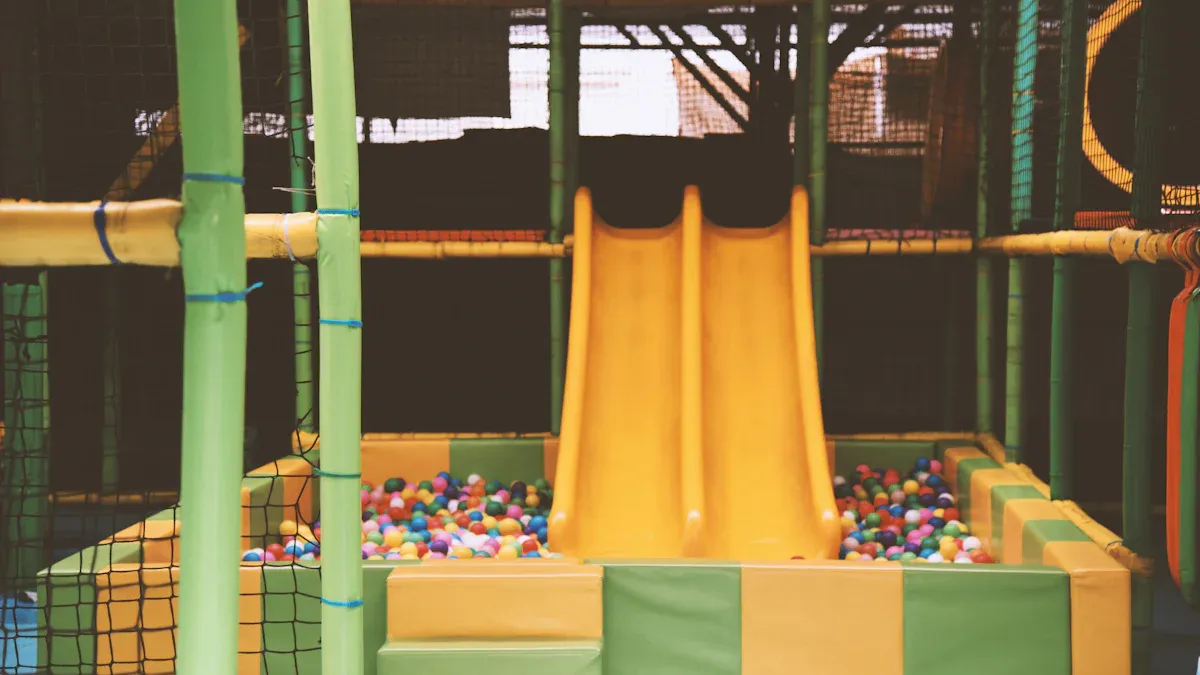

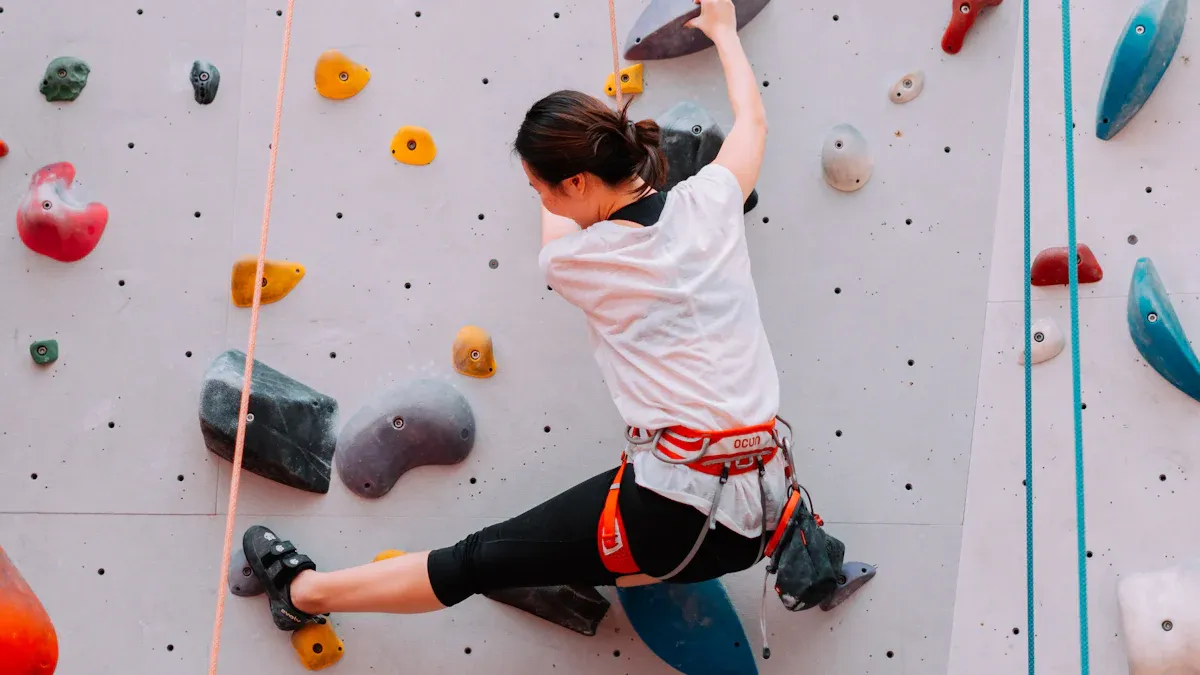

You want kids to have fun and be safe. But if you ignore commercial play equipment, problems can happen.
About 60 percent of playground injuries in court are from poor maintenance. You may see cracked plastic, rusty metal, or old safety surfacing. commercial play equipment These problems can make playgrounds unsafe quickly. Regular checks, cleaning, fast repairs, and training help keep play areas strong and safe. This makes sure kids can play without worry.
Key Takeaways
- commercial play equipment. Do a more careful check every month. Professionals should look at the equipment two times each year.
- Clean the playground every day by picking up trash. Use cleaning products that are safe. Cleaning often helps you find dangers.
- Write down every inspection and repair. Keeping good records helps you follow safety rules. It also helps you remember what was fixed.
- Teach staff often so they can spot safety problems. Staff who know what to look for can stop accidents. They help keep the playground safe.
- Change your maintenance plans when the seasons change. Different weather needs different care. This keeps the playground safe and working well.
Commercial Playground Equipment Inspections
Inspection Schedule and Frequency
You want your playground equipment to be safe and last. Making a smart inspection plan is important. Inspections help you find problems before they get worse. Experts say you should check your playground every week. Look for trash, broken parts, or vandalism. Every month, do a deeper check. Look at surfaces, signs, and moving parts. Twice a year, get a professional to inspect everything. This helps you find hidden problems and plan repairs.
Here’s a table to help you remember when to inspect:
| Inspection Type | Frequency | Description |
|---|---|---|
| Weekly Inspections | Once a week | Basic checks for cleanliness and safety hazards. |
| Monthly Inspections | Once a month | More detailed checks including surface material and signage. |
| Bi-Annual Inspections | Twice a year | Comprehensive inspections by professionals to identify critical issues and necessary repairs. |
How often you inspect depends on a few things. Older equipment needs more checks. Busy playgrounds need extra attention. Weather like rain, snow, or heat can damage surfaces and hardware faster. If your equipment has lots of moving parts, check it more often.
Tip: Make a calendar for playground inspections. Set reminders so you never forget a check.
Common Safety Hazards to Check
When you inspect, look for common safety risks. These include loose bolts, cracks in plastic or metal, splintered wood, and worn ropes. Also check for trip hazards, broken glass, or graffiti. Fix faded markings or missing guardrails right away.
Here’s a table with top hazards you might find:
| Safety Hazard | Description |
|---|---|
| Fall Hazards | Look for bad surfacing, missing guardrails, and trip hazards. |
| Entrapment Hazards | Check for gaps, loose ropes, and pinch points where kids could get stuck. |
| Equipment Wear and Tear | Find worn swings, loose bolts, and faded markings that could cause injuries. |
| Vandalism and Tampering | Watch for graffiti, broken glass, or tampered equipment that creates a safety risk. |
Cleaning helps you spot problems. When you wipe surfaces, you may see cracks or loose parts. Cleaning also helps you notice fraying ropes or chains. Always check the ground for trash or sharp objects. These steps keep your playground safe and clean.
Documenting Inspection Results
Keep good records of every inspection. This helps you follow safety rules and shows you care. Write down the date, your name, and what you checked. Take photos of any damage or safety risk. Use a checklist so you don’t miss anything.
- Write down any problems you find.
- List repairs or replacements you suggest.
- Add photos for proof.
- Complete a checklist for compliance.
Digital tools make record-keeping easier. You can use a phone or tablet for notes and pictures. Digital platforms store all your reports in one place. This helps you track repairs and see patterns. You can find which equipment needs more care and plan your budget.
Note: The National Program for Playground Safety says to follow national guidelines for inspections. This keeps your playground safe for everyone.
If you use digital tools, you can share reports with your team fast. You can set up reminders for your next inspection. This makes playground management easier and helps you keep safety first.
Playground Maintenance and Cleaning
Cleaning Methods and Products
You want your playground to look nice and be safe. Use child-safe detergents that do not leave harmful stuff behind. Mild soap and water work for most surfaces. For painted or themed areas, pick gentle cleaners so you do not ruin them. Clean railings and handholds with non-toxic disinfectants. You can use Peroxigard™ or EPA-approved disinfectants from List N. If you run out, use a mix of bleach and water or 70% isopropyl alcohol to clean.
Here are some cleaning tips:
- Use mild soap and water for most jobs.
- Pick detergents that are safe for kids.
- Clean high-touch spots often.
- Sweep and rinse rubber or synthetic surfaces a lot.
Tip: Always rinse after cleaning to get rid of leftover soap or cleaner.
Removing Trash and Debris
Keep your playground clean by picking up trash every day. Put trash cans and recycling bins around to help with cleanup. Empty them often to stop bugs and bad smells. Power washing can clean equipment and surfaces fast. For sand or mulch, rake or sift to get rid of litter and keep it neat.
| Evidence Point | Explanation |
|---|---|
| Tripping Hazards | Picking up trash keeps people from tripping. |
| Clean Environment | A clean playground brings more kids to play. |
| Drainage Issues | Good care stops water from making slippery spots. |
| Playground Surfacing | Regular care keeps surfaces safe for falls. |
Maintaining Safe Surfaces
Check playground equipment and surfaces often. Look for holes, uneven spots, or worn areas. Rake and turn mulch or wood chips to keep them soft and deep. Add more if you see empty spots. For rubber surfaces, check for damage and make sure they stay in place.
| Material | Description | Maintenance Tips |
|---|---|---|
| Metal | Strong but can rust or get hot. | Use coated metal and check for rust. |
| Plastic | Resists water but can fade. | Check for cracks and splinters. |
| Rubber | Cushions falls. | Inspect for wear and proper fit. |
- Plan regular maintenance for all playground surfaces.
- Fill holes right away so no one trips.
- Always check for loose bolts or broken parts.
Note: Checking playground equipment and surfaces often keeps kids safe and makes your playground look great.
Addressing Wear and Repairs for Safety
Keeping your playground safe means you need to fix problems as soon as you spot them. If you ignore small issues, they can turn into big hazards that lead to injuries. Staying on top of playground equipment maintenance helps you avoid costly repairs and keeps everyone happy.
Prompt Repairs and Record Keeping
When you find damage during an inspection, act fast. Fixing problems right away stops them from getting worse. Quick repairs also show parents and kids that you care about their safety. If you wait, small cracks or loose bolts can cause injuries or even force you to close the playground.
You need a good system to track all your repairs and maintenance inspections. Keeping detailed records helps you spot patterns, plan your budget, and prove you follow safety rules. Here’s what you should include in your maintenance log:
- Write down every repair and replacement.
- Add notes from the technician or service provider.
- Describe the work you did and the parts you used.
- Keep a history of all past repairs.
- Track costs and supplies to manage your budget.
Regular inspections should be routine and timely, followed by immediate action to address any issues. Keeping detailed records of all maintenance and repair jobs is essential.
A strong record-keeping system helps you see which equipment needs more attention. It also helps you stay ready for audits or questions from parents. When you keep up with playground equipment maintenance, you build trust and keep your playground open and safe.
Using Repair Kits for Safety Surfacing
Playground surfaces take a lot of wear. Kids run, jump, and play hard, so you need to check the ground often. If you see holes, cracks, or worn spots, fix them right away. This keeps the surface soft and helps prevent injuries from falls.
You can use repair kits to fix small problems in safety surfacing. These kits are easy to use and come in many colors to match your playground. Here’s a quick look at common repair kits:
| Repair Kit Type | Description |
|---|---|
| Engineered Wood Fiber | Natural, mold-resistant, and great for commercial playgrounds. |
| Poured in Place (PIP) | Good for replacing or repairing rubber playground surfaces. |
| Geotextile Fabric | Adds strength when used with other surfacing materials. |
| Safety Mats | Extra cushioning for high-traffic areas. |
Playground rubber surface repair kits let you fill holes, cracks, and seams in poured rubber surfaces. Each kit has the right mix of rubber granules and binder for easy repairs. You can use them to fix perimeter gaps and keep the surface safe for everyone.
You should check safety surfacing every week for hazards. Do a deeper inspection every month and get a professional to look at it twice a year. Fixing problems fast keeps your playground equipment maintenance on track and helps you avoid injuries.
Repainting and Refinishing Equipment
Paint and finish protect your playground from rust, sun, and rain. Over time, paint can chip or fade. If you see rust or peeling paint, it’s time to refinish. This step is key for safety and helps your equipment last longer.
Follow these steps for the best results:
- Inspect the equipment for damage and fix any issues before painting.
- Clean the surface with warm, soapy water to remove dirt and grease.
- Let the equipment dry completely.
- Sand the surface to help the paint stick.
- Use an etch primer for better adhesion.
- Apply rust-inhibiting paint and let each coat dry before adding the next.
- Wear safety gear and keep kids away from the area while you work.
Regular refinishing can help your playground equipment last 15 to 20 years. When you keep up with playground equipment maintenance, you stop rust and other common wear and tear issues before they start. Certified Playground Safety Inspectors can help you spot when it’s time to refinish or repaint.
Tip: Always use paint made for outdoor playgrounds. It lasts longer and keeps your equipment looking bright and inviting.
By staying on top of repairs, using the right kits, and refinishing equipment, you lower the risk of injuries and keep your playground safe for everyone. Good playground equipment maintenance means fewer surprises and more fun for kids.
Staff Training and Playground Safety Education
Training Staff to Spot Issues
You help keep playgrounds safe for kids. Training staff to notice problems early stops accidents. Staff should look for loose bolts and worn surfaces. They also need to check for broken parts. Training often helps everyone stay alert and ready.
Here are some training programs you can use:
| Program Name | Description | Cost |
|---|---|---|
| NPPAS Training | Onsite and virtual trainings on playground safety guidelines and maintenance. | N/A |
| NPPAS Certification Training | Covers safety guidelines, inspection techniques, and age-appropriate play. | $550 |
| National Program for Playground Safety | Interactive training for safe playgrounds and outdoor environments. | N/A |
| PlaySafe In-Person Training | Training for teachers and childcare workers on supervision and risk management. | N/A |
Staff who finish these programs learn safety rules for playgrounds. They also learn how to keep equipment working well. When you care about training, you see fewer injuries. This makes the playground safer for everyone. Supervisors who support training help lower accidents and keep kids safe.
Tip: Give your team refresher courses every year. This helps them stay sharp and know the newest safety tips.
Educating Users on Safe Play
Teaching kids and families about safe play is important. You can use signs or group talks to share rules. Fun activities help children remember what to do. When everyone knows the rules, kids play safely. This also helps playground equipment last longer.
Here are some key safety rules to share:
| Safety Rule | Description |
|---|---|
| No pushing or roughhousing | Avoid rough play to prevent injuries. |
| Use equipment properly | Go down slides feet-first and stay inside guardrails. |
| Check surroundings | Make sure the area is clear before jumping off equipment. |
| Keep play area clear | Store bikes and bags away from play zones. |
| Wear helmets (off equipment) | Remove helmets before using play structures. |
| Avoid wet equipment | Wet surfaces can be slippery and dangerous. |
| Check equipment temperature | Hot equipment can burn skin in summer. |
| Avoid drawstrings | Drawstrings on clothes can get caught and cause harm. |
| Use sunscreen | Protect skin from sunburn, even on cloudy days. |
Teaching these habits helps kids play safely. It also keeps the playground in good shape. User education lowers accidents and helps with maintenance. You build a safe place for kids and keep play structures working for years.
Seasonal and Environmental Playground Maintenance
Adapting to Weather Changes
Weather changes quickly. Each season brings new problems. You must change your maintenance plan to keep things safe. Here are some tasks for each season:
- Winter: Remove snow and ice from surfaces. Check for damage from freezing and thawing. Make sure water drains so it does not freeze.
- Spring: Fix any damage from winter. Add more mulch or ground cover. Look for rust and test moving parts.
- Summer: Check for worn equipment. Look for sun damage on plastics and paint. Clean more often. Add shade to keep equipment cool.
- Autumn: Rake up leaves. Add loose fill where needed. Lubricate moving parts. Get ready for winter.
If your playground is in a sunny area, use UV-resistant materials. Add shade to stop burns. In rainy places, use rust-resistant metals. Make sure surfaces drain well. For cold areas, use non-slip materials. Design for easy snow removal. Here is a table to help you remember:
| Climate Type | Material Tips | Maintenance Focus | Safety Note |
|---|---|---|---|
| Hot, Sunny | UV-resistant, avoid hot metals | Add shade, check for burns | Keep equipment cool |
| Rainy, Humid | Rust-resistant, mold-proof coatings | Drain surfaces, fight mildew | Watch for slippery spots |
| Cold, Snowy | Non-slip, freeze-proof materials | Remove snow, check for cracks | Prevent ice buildup |
Thinking about the seasons helps you plan ahead. You can avoid problems before they happen.
Checking Landscaping and Surroundings
You want the area around your playground to be safe and neat. Plants that grow too much or roots that stick out can cause trips. Here are some simple landscaping tips:
- Cover tree roots so kids do not trip.
- Trim trees and bushes so you can see all play areas.
- Keep grass short so it does not get too tall.
- Check for water after rain and fix drainage if needed.
- Clear paths of branches and weeds.
Walk around your playground often. Look for dangers like sharp sticks, broken branches, or trash. Good landscaping makes your playground safer and more welcoming for everyone.
Following Manufacturer Guidelines for Commercial Play Equipment
Manufacturer Recommendations
You want your playground to last a long time and be safe. Manufacturers give advice to help keep equipment in good shape. If you follow their instructions, you can stop accidents and save money. Here are some important things to remember:
- Choose equipment with protective surfacing. This helps stop injuries if someone falls.
- Pick strong materials like stainless steel, HDPE, or treated wood. These materials last longer and can handle rough play.
- Look for weather-resistant designs. Equipment that stands up to rain, sun, and snow will last longer.
- Select impact-resistant features. Strong designs can take lots of use without breaking.
- Find equipment that needs little upkeep. Less maintenance means more time for fun and less stress.
- Check the manufacturer’s reputation. Companies with good safety records make better equipment.
- Inspect equipment often. Regular checks help you find problems before they get worse.
Tip: Always read the manual that comes with your playground equipment. It has special steps for cleaning, repairs, and inspections.
Implementing Specific Maintenance Steps
You need a simple plan to keep your playground safe. Manufacturers suggest steps to help you stay organized and avoid mistakes. Here is a table with smart ways to follow their advice:
| Strategy | Description |
|---|---|
| Defining Standards | Make clear rules for maintenance using manufacturer instructions. |
| Developing Playbooks | Write down each step for taking care of your equipment. |
| Training Teams | Teach your staff how to use the playbooks and spot problems. |
| Tracking Progress | Use a checklist or app to see if you finish all tasks on time. |
| Utilizing Technology | Try digital tools to schedule repairs and inspections. This helps you not miss anything. |
When you use these strategies, every part of your playground gets the care it needs. Your team works together and keeps kids safe. If you follow the manufacturer’s plan, your equipment will last longer and look nice.
Note: If you have questions, contact the manufacturer. They can give you special tips for your playground.
You can make your playground safe and last longer by doing a few things. Check the equipment often. Clean all the surfaces well. Fix any problems as soon as you see them. Train your staff so they know what to do. Change your care plan for each season. Always follow the manufacturer’s advice. These steps help stop accidents and keep your playground in good shape.
Want to help right now? Look at your maintenance plan today. Even small changes can help kids and your whole community!
FAQ
How often should you inspect commercial playground equipment?
You should inspect your playground every week. Do a deeper check every month. Bring in a professional twice a year. This schedule helps you catch problems early and keep kids safe.
What cleaning products are safe for playground equipment?
Use mild soap and water for most surfaces. Pick non-toxic cleaners that are safe for children. Always rinse well after cleaning. Avoid harsh chemicals that can damage equipment or harm kids.
What should you do if you find damaged equipment?
Fix it right away. If you cannot repair it quickly, block off the area so no one gets hurt. Keep a record of the problem and the repair. Fast action keeps everyone safe.
How can you teach kids to play safely?
Post clear rules on signs. Talk with kids about safe play. Use games or group activities to help them remember. When kids know the rules, they help keep the playground safe for everyone.