

You are going to learn how to make your indoor playground idea real. Picture a place that is fun and safe for kids. Kids can laugh, learn, and grow there. The indoor playground business is growing fast, with the market projected to reach over $9 billion by 2031. Parents want places that are safe for their children, and they look for quality equipment for indoor playground fun. Custom designs help bring in more customers and keep them coming back. These unique designs make every playground special and inclusive. You can avoid mistakes by choosing the right equipment for indoor playgrounds that fits your needs. It’s important to follow safety rules to keep everyone safe. Kids deserve the best playgrounds. Let’s get started!
- Custom playgrounds provide kids with play that fits their age, offering fun themes and social spaces.
- Indoor playgrounds attract parents, build community pride, and keep kids busy and happy.
Key Takeaways
- Set your goals for the indoor playground first. This helps you plan the design and pick equipment.
- Know who will use your playground. Learn their ages, interests, and needs. This helps you make a friendly space.
- Make safety the most important part of your design. Use safety rules and pick equipment for every age.
- Pick equipment that is high-quality and certified. This makes your playground strong and safe. Families will trust it.
- Add special themes and custom features. This makes your playground stand out. People will want to come back.
Set Your Playground Vision
Define Goals and Objectives
When you start thinking about your indoor playground, you need a clear vision. Ask yourself what you want to achieve. Do you want to design a custom playground that brings quick returns, or do you dream of building a brand that lasts for years? Maybe you want a space where kids can learn, play, and connect with their parents. Setting your goals early helps you make smart choices about design and equipment.
Here are some common goals for starting an indoor playground:
- Get quick returns and high turnover.
- Build a strong brand that families trust.
- Focus on education and learning for children.
- Create a place for parent-child interaction.
- Offer pure entertainment and adventure for kids.
You can mix and match these goals to fit your vision. When you know what you want, you can design a playground that stands out in your community.
Tip: Write down your top three goals before you start planning. This will help guide every decision you make.
Know Your Users
Understanding who will use your indoor playground is just as important as setting your goals. You want to create a space that feels welcoming for all kids and their parents. Collecting demographic data helps you design a playground that fits your local community.
Here’s a simple table to help you think about your users:
| Demographic Category | Description |
|---|---|
| Age Groups | Children aged 10 and under, 11 to 13, 14 to 17, etc. |
| Gender | Male, Female, and other gender identities |
| Location | Customers primarily from the same city or town |
| Income Levels | Varying income levels of the target customers |
When you know your users, you can design spaces that work for everyone. For example, if most kids are under 10, you might add more soft play areas. If parents visit often, you can include comfortable seating and coffee spots. Starting an indoor playground with a clear picture of your users makes your playground more successful.
Indoor Playground Design Essentials
Site Analysis and Space Planning
You want your indoor playground to be safe and friendly. First, look at your space closely. Think about who will visit and what they want. Use every part of your space well. Good design starts with checking your site.
Here are some things to think about when planning:
- Know your audience. Are you making it for toddlers, older kids, or both?
- Pick equipment that kids will enjoy and want to use again.
- Check your location and see what other playgrounds offer.
- Plan your budget and think about adding new things later.
- Follow safety rules and standards.
- Use your space wisely so every area is useful.
Measure your space to see what equipment fits. Make zones for climbing, sliding, and pretend play. This keeps kids safe and helps organize the playground. You want kids to move easily and not bump into each other. Open spaces help stop accidents and crowding.
Here are some good ideas for planning your space:
- Secure big structures so they stay in place.
- Leave safety zones around equipment for safe landings.
- Put soft play areas away from harder equipment for younger kids.
- Make sure parents can see all play areas.
- Add ramps and paths for kids with disabilities.
- Include equipment so every child can play.
- Use clear signs to help parents and kids find their way.
Tip: Walk through your space before you start. Picture how kids and parents will move and play.
Age-Appropriate Design
Designing for different ages keeps kids safe and happy. Every child should find something fun and challenging. Match your playground to the skills and interests of your visitors.
Here’s how to make your play area work for all ages:
- Use space so kids can move easily and emergency paths stay open.
- Make zones for different ages. Toddlers need soft play, older kids like climbing.
- Set up areas for different interests. Some kids want to build, others want to run or pretend.
- Offer many play choices. Include active and pretend play.
- Make sure all kids can join in, no matter their abilities.
Studies show age-appropriate design lowers injuries. Look at this table:
| Evidence | Explanation |
|---|---|
| Equipment should match developmental skills | Kids use equipment that fits their size and skills, which can help prevent injuries. |
| Inappropriate equipment can lead to injury | Kids using equipment that does not fit their skills may get hurt. |
Think about what each age group needs. Younger kids need soft surfaces and gentle slides. Older kids want climbing walls and obstacle courses. Mixing these features makes your playground fun for everyone.
Perimeter Seating and Supervision
Parents want to relax while kids play. Add seating around the playground. Benches and chairs let parents watch their kids and feel comfortable.
Here’s why seating matters:
- Parents can watch kids easily.
- Adults have a place to rest and talk.
- Good views help keep the playground safe.
- Families stay longer when they feel good.
Add tables for snacks or coffee spots for parents. Make sure seats face the playground so adults can see their kids. This helps build trust and keeps everyone happy.
Note: When you design your playground, think about how parents and supervisors use the space. Their comfort is as important as kids having fun.
Planning your indoor playground takes time and care. You want every space to help your community. Good design helps kids play, learn, and grow.
Choosing Equipment for Indoor Playground

Types of Indoor Playground Equipment
You want your indoor play area to be special. Kids should want to come back again. Picking the right equipment for indoor playground spaces is important. There are many types of indoor playground equipment. Each type gives kids and families a different experience.
Here are some popular choices for commercial indoor play areas:
- Trampoline zones help kids build strong legs. Jumping and bouncing is fun and safe.
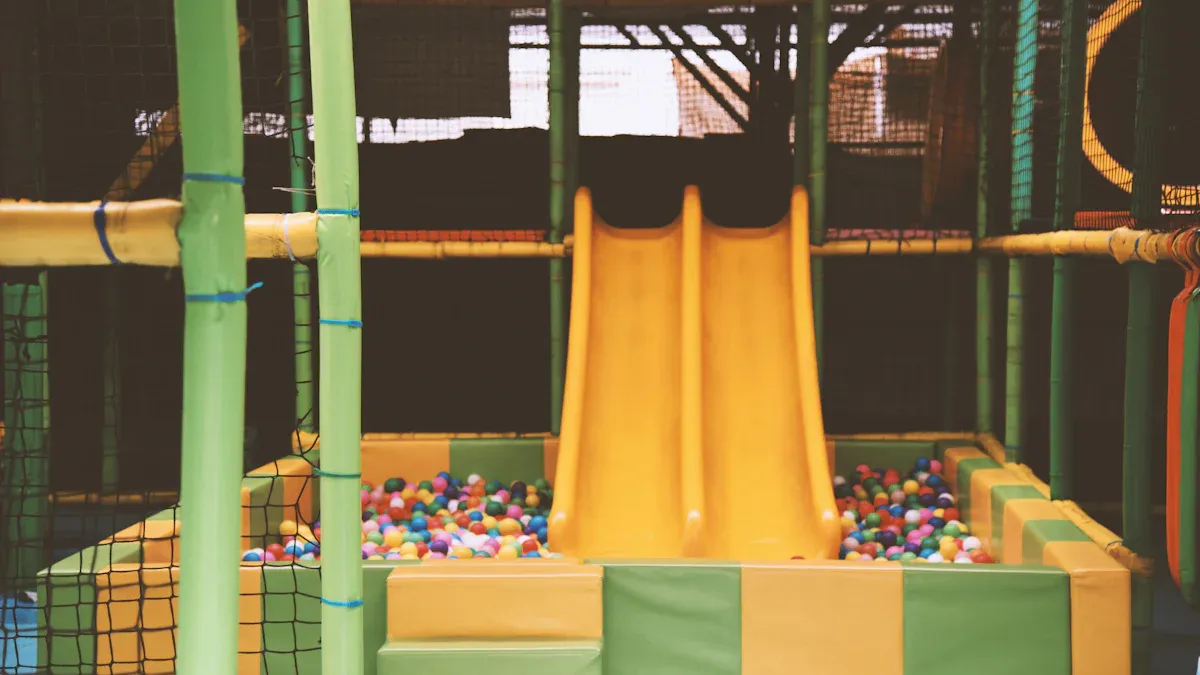
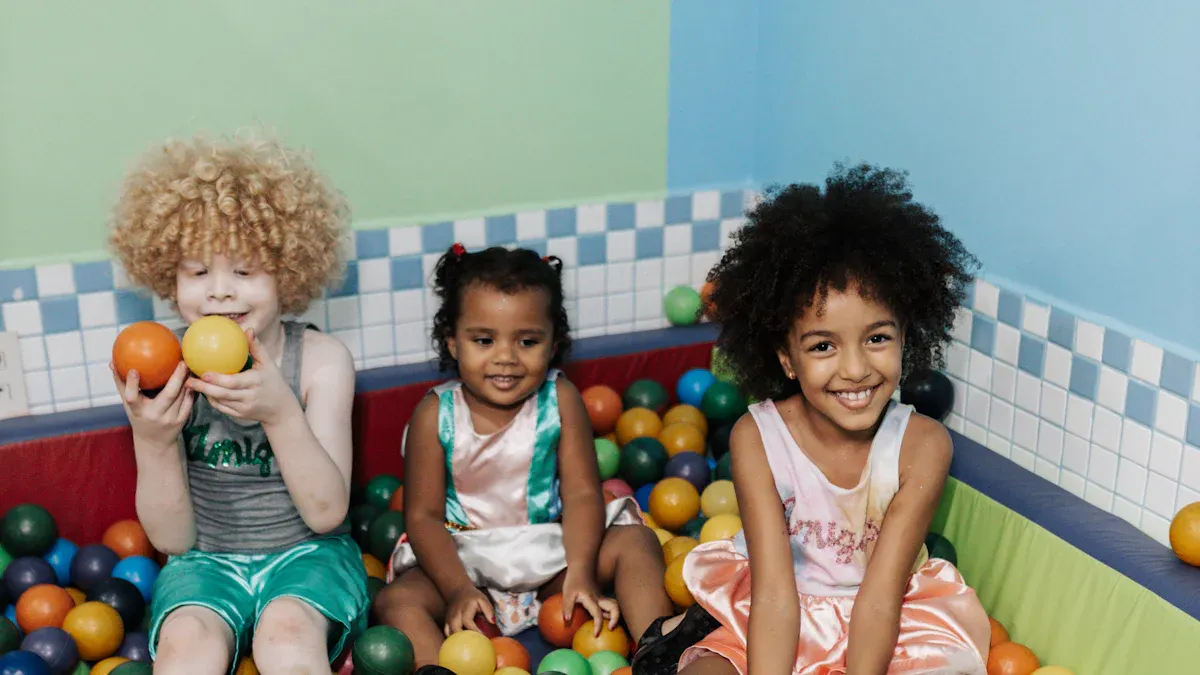
- Ball pits and mazes let kids use their imagination. These areas help kids feel brave and work together.
- Virtual reality and interactive play zones mix moving with digital games. Older kids like these zones and learn teamwork.
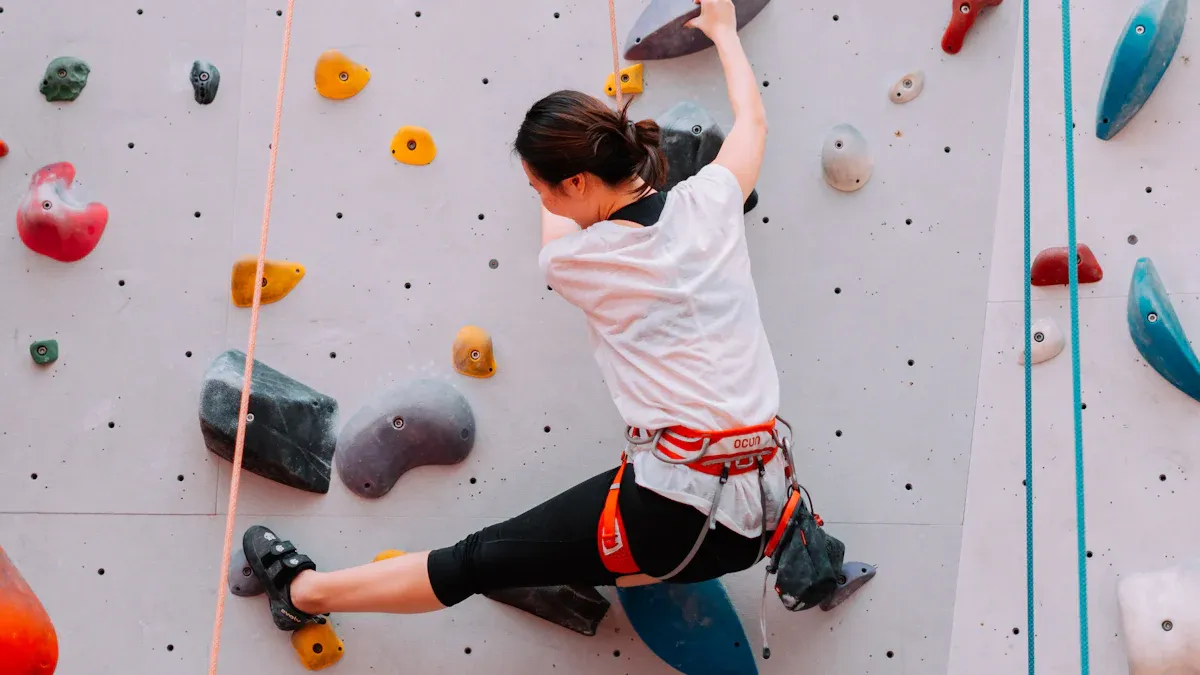
- Climbing walls and rope playgrounds test balance and strength.
- Slides, tunnels, and obstacle courses make play exciting and keep kids active.
- Soft play areas are safe for toddlers and younger children.
- Nature-inspired play spaces bring outdoor fun inside. Kids learn about nature while playing.
When you pick equipment for indoor playground use, think about your design. Make sure every child finds something fun and safe.
Tip: Walk through your play area and picture kids using each piece. This helps you find missing things and plan better.
Safety is the most important thing. All new indoor playground equipment must follow ADA rules and ASTM F1487 standards. Shock-absorbing floors help stop injuries. Use non-toxic materials and avoid sharp edges. Add safety nets and guardrails. Check your equipment often to keep it safe and strong.
Here are some important safety standards:
| Standard | Description |
|---|---|
| ASTM F1918-22 | Rules for safe soft play equipment in indoor places. |
| CPSC Handbook | Lists key playground safety steps. |
| EN1176 | International rules for safe playground equipment. |
Custom Equipment Options
Custom equipment for indoor playground spaces makes your play area special. You can design play areas with themes that match your brand or tell a story. Custom zones make your indoor play area fun and different.
Here are some trends in custom indoor playground equipment:
- Custom and themed play areas show your brand and create cool experiences.
- Inclusive playground design welcomes all kids. You can add ramps, sensory zones, and easy paths.
- Technology brings interactive things like touch screens. Mix these with regular play equipment.
- Sustainability is important. Many companies use eco-friendly materials now.
- Nature-inspired play spaces help kids be creative and care about the environment.
- Rope playgrounds give kids climbing and balancing fun.
- Themed playgrounds turn your play area into an adventure. Kids use their imagination and tell stories.
You can work with a design team to plan your custom equipment for indoor playground use. They help you pick colors, shapes, and features that fit your ideas. Your indoor playground equipment should match your goals and give families a great time.
Note: Custom equipment for indoor playgrounds may cost more. It helps you stand out and bring in more visitors.
Working with Manufacturers
Picking the right manufacturer for your equipment for indoor playground projects is important. You want a partner who gets your ideas and gives you safe, high-quality equipment. Here’s what to look for when choosing a manufacturer for your indoor play area:
| Consideration | Description |
|---|---|
| Safety | The manufacturer should care about safety and follow all rules for indoor playground equipment. |
| Customization | Look for choices that match your design, like colors and themes. |
| Quality | Strong equipment lasts longer and keeps kids safe. |
| Pricing | Compare prices and make sure you get good value. |
| Installation and Maintenance | Pick a manufacturer that installs and supports your equipment. |
| Customer Support | Good support helps you fix problems fast. |
| Warranty and Return Policy | A good warranty protects your money and gives you peace of mind. |
| Reputation | Choose a manufacturer with a good history in indoor play area projects. |
Always check that your indoor playground equipment meets ASTM safety rules. Impact-absorbing floors help stop injuries. Check your equipment often to find loose or broken parts before they cause trouble.
Tip: Ask your manufacturer for references and pictures of past indoor play area projects. This shows their skill and quality.
Working with a trusted manufacturer makes planning easier. You get expert help, safe equipment, and smooth installation. Your indoor playground becomes a place where kids and families have fun every time they visit.
Theming and Customization

Unique Themes and Branding
You want your indoor playground to be special. Theming makes your space fun and easy to remember. Custom design lets you match your brand and tell a story. Theme design helps kids feel like they are on an adventure.
Here are some cool ways brands use theming and branding in indoor playgrounds:
- Themed pop-up playgrounds can have slides shaped like spoons for a breakfast restaurant.
- Branded play zones at events give families a fun place and help your brand get noticed.
- Playgrounds with a cause show you care by working with nonprofits to build or improve play spaces.
- Digital playgrounds use AR or VR to attract families who like technology.
- Playground challenges and competitions get kids moving and interacting with your brand.
- Educational playgrounds teach kids about healthy eating or the environment.
- Photo-worthy installations encourage families to share pictures online, which helps your brand.
Classic themes also make indoor playgrounds exciting:
- Pirate ship playgrounds help kids imagine and climb.
- Under the sea themes use bright colors and make things exciting.
- Jungle playgrounds fill the space with animal sounds and adventure.
- Treehouse designs let kids climb and explore.
- Castle playgrounds let kids pretend to be knights.
- Racetrack themes bring energy and racing fun.
Theming helps families remember your playground and want to come back.
Using 3D Design Tools
You can plan your indoor playground better with 3D design tools. These tools help you see your ideas before you build. You can look at your custom design and change things quickly.
Here’s a table showing how 3D design tools help with indoor playground theming:
| Benefit | Description |
|---|---|
| Realistic Visualization | You see a clear picture of your playground, so you know what it will look like. |
| Faster Design Iterations | You can change your design fast and get feedback right away. |
| Accuracy and Fewer Errors | Everyone understands the plan, so you save money and avoid mistakes. |
When you use 3D design tools, you can show your playground ideas to others and get their opinions. You make sure your theming matches your vision. Kids and parents will enjoy seeing the playground come to life.
Safety and Safety Standards
Understanding Safety Regulations
You want every child to feel safe in your playground. The first step is following safety rules. Different places have their own playground safety rules. These rules help you pick the right equipment and plan your space.
Here’s a table with important rules in big markets:
| Region | Regulation | Description |
|---|---|---|
| US | CPSC Guidelines | Focus on equipment safety and material specifications. |
| EU | REACH Regulation (EC) No. 1907/2006 | Safety certification for toys and childcare articles. |
| Australia | AS3533.4.2-2013 | Playground safety standard for indoor playgrounds. |
| Canada | CSA Z614-07(R2012) | Safety standard for indoor and outdoor playgrounds. |
| International | ISO Standards | Voluntary standards for products and services. |
You must check if your equipment meets these rules. In the US, CPSC and ASTM rules like ASTM F2049 and ASTM F2970 are important. These rules cover fencing and soft play equipment. Soft play areas need non-toxic and flame-retardant materials. These safety rules protect kids and help parents feel calm.
Certified Materials and Installers
You want your playground to be safe and last a long time. Use equipment and materials that are certified. Look for labels like ASTM F1918 and SGS Certified. These labels show your equipment meets world safety rules.
Here’s what you should check:
- Equipment must follow ASTM F1918, EN 1176-1177, UL, CE, and GS standards.
- Materials should be non-toxic, lead-free, and fire-resistant.
- Installers need training and certification. They must know manufacturer rules and safety codes.
- Key certifications include NFPA 701 for fire resistance and UL 94 for flammability.
Certified installers build your playground the right way. Good equipment and expert work keep kids safe. This also helps your playground pass safety checks.
Supervision and Emergency Planning
Safety is more than just equipment and design. You need adults to watch the playground at all times. Supervision stops injuries and bullying. Set times for different ages and watch hidden spots.
Here are some steps for emergency planning:
- Write down injury and emergency steps.
- Make a quick guide for supervisors.
- Practice drills for fires, disasters, and other risks.
If a child gets hurt, do not move them. Call for help right away. Move other kids out of the playground area. Drills help staff know what to do in emergencies.
Tip: Check your safety rules and emergency plans often. Update them when you add new equipment or change your playground.
Focusing on safety makes families trust your playground. When you follow safety rules, use certified equipment, and train your staff, kids can play and parents can relax.
Budgeting and Financing
Cost Estimates for Custom Projects
You want to know how much it costs to start an indoor playground business. Costs can change based on your choices. Some people build everything themselves. Others hire experts for a turn-key solution. Here’s a table to help you compare:
| Cost Category | DIY Setup | Partial Outsourcing | Turn-Key Solution (e.g. MARWEY) |
|---|---|---|---|
| Facility Lease / Purchase | $15-$30 per sq. ft. | $20-$35 per sq. ft. | $25-$40 per sq. ft. |
| Equipment & Safety Certified Installation | $70-$120 per sq. ft. | $80-$130 per sq. ft. | $90-$150 per sq. ft. |
| Design & Build-Out | $20-$40 per sq. ft. | $25-$50 per sq. ft. | $30-$60 per sq. ft. |
| Operational & Marketing Setup | $10,000-$15,000 | $12,000-$18,000 | $15,000-$25,000 |
You need to plan for equipment, building costs, and marketing. The right equipment makes your playground safe and fun. If you want a custom playground, expect higher costs for special equipment and design.
Funding and Financing Options
Starting an indoor playground business takes money. You have many ways to get funds. Here’s a quick look at popular options:
| Funding Option | Description |
|---|---|
| Your Own Money | Use your savings or equity. |
| Angel Investors | Get help from people who want a share in your business. |
| Crowdfunding | Ask your community for support online. |
| Friends and Family | Borrow from people you know, but be careful with relationships. |
| Commercial Financing | Get a loan from a bank or lender. |
| Grants | Apply for free money from groups or the government. |
| Sponsorships | Partner with local businesses for support. |
| Business Contests | Enter competitions for a chance to win funding. |
You can mix these options to get the money you need for equipment and playground setup.
Cost Management Tips
You want to keep costs low and get the most from your indoor playground business. Try these tips:
- Invest in strong equipment. It lasts longer and saves money over time.
- Customize your playground to fit your space and budget. Skip things you don’t need.
- Choose easy-to-clean surfaces and smart layouts. You spend less on cleaning and repairs.
Tip: Track your spending and review your budget often. Small changes can save you money and help your playground grow.
You can build a great playground without spending too much. Smart planning and good choices help your indoor playground business succeed.
Installation and Maintenance
Preparing for Installation
Getting your playground ready for installation takes careful planning. You want everything to go smoothly, so start by checking your site. Here’s a simple step-by-step list to help you prepare:
- Improve drainage or slope so water doesn’t pool under your playground.
- Level the site if the ground is too steep.
- Make sure the soil is stable and fix any drainage problems.
- Contact utility companies to mark underground lines before digging.
- Stake out the playground area and begin digging where needed.
- Remove any old playground equipment if you have it.
You want your installation to be safe and quick. If you choose expert installation, you get help from professionals who know how to handle every detail. They make sure your playground is set up right the first time.
Tip: Walk through your site before installation day. Look for any problems that could slow things down.
Staff Training and Launch
Your playground needs a team that knows how to keep kids safe and happy. Before you open, train your staff with these important programs:
- Evacuation plans help everyone know where to go in an emergency. Practice fire drills often.
- First aid training teaches your staff how to help with injuries. Make sure they know CPR and how to use AEDs.
- Conflict management skills help staff solve problems and keep the playground friendly.
A well-trained team makes your playground a place parents trust. You want your launch day to go smoothly, so everyone feels welcome.
Ongoing Maintenance and Upgrades
Keeping your playground in top shape means regular care. Follow these best practices for maintenance:
- Clean equipment often to keep it safe and healthy for kids.
- Inspect your playground regularly to catch damage early.
- Always follow manufacturer instructions for cleaning and repairs.
- Set up a maintenance schedule so nothing gets missed.
- Prevent messes by teaching kids and staff to keep the playground tidy.
Common issues include wear and tear on surfacing, rust on metal parts, loose hardware, splinters on wood, and broken signs. Fix these problems quickly to keep your playground safe.
Note: A clean and well-maintained playground brings families back again and again. Regular upgrades keep your playground fresh and exciting.
You can make your dream playground if you plan well. First, think about what you want your playground to be. Check your space for size and height. Make sure everyone can get in easily. Pick new equipment that kids of all ages will like. Work with experts who design and build playgrounds. They can help with themed play areas. Use guides and free design help to keep your playground safe. These tools make planning easier and more fun. Hold special events to keep your playground interesting.
| Resource Type | Description |
|---|---|
| Playground Planning Guide | Helps you set goals and needs for your playground. |
| Design Service | Free help from playground designers. |
Want to get started? Write a checklist and contact playground equipment providers now!
FAQ
How long does it take to build an indoor playground?
You can expect your playground to take about 2 to 6 months from planning to opening. The timeline depends on your design, equipment choices, and how fast you get permits.
What is the best way to keep a playground clean?
You should clean your playground every day. Wipe down surfaces, vacuum soft areas, and check for trash. A clean playground keeps kids healthy and parents happy.
Can I add new equipment to my playground later?
Yes! You can upgrade your playground anytime. Many owners add new features to keep things fresh. Just make sure the new equipment fits your space and follows safety rules.
How do I make my playground safe for all kids?
You can design your playground with ramps, soft surfaces, and clear signs. Train your staff to help kids and watch for problems. Safety checks help everyone enjoy the playground.