
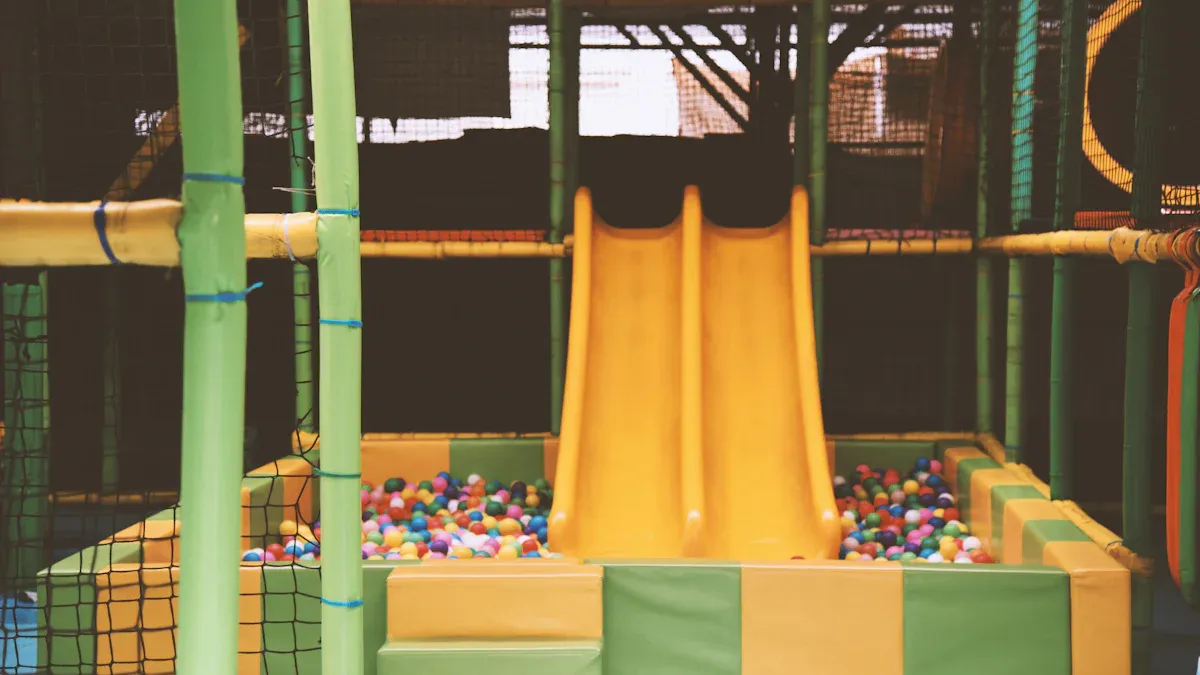
How to Pick Age-Appropriate Indoor Commercial Playground Equipment for Your Business

Picking the right equipment for your indoor commercial playground can seem hard. You want kids to have fun. You also need to make sure they are safe. If you make a special area for younger children, they feel safe and welcome. This helps families stay longer and feel happier when they leave.
- Families stay longer, which makes them happier customers.
- Kids feel welcome when the equipment fits their age.
You may have families with young kids, working parents, or community groups. Look at how customer groups can be different in each place:
| Demographic Factor | Description |
|---|---|
| Target Audience | Families with young children, working parents, community groups |
| Key Considerations | Age ranges, income levels, family sizes |
| Ideal Locations | Places with many young families who want safe places to play |
Think about your business goals and who comes to your place. This helps you pick the best playground equipment.
Key Takeaways
- Find out which age groups will use your playground. Make sure toddlers and older kids feel safe and happy.
- Put safety first when you design the playground. Pick equipment that follows safety rules. Keep safety zones to stop injuries.
- Pick strong materials for your equipment. Tough materials help save money on repairs. They also make the playground last longer.
- Use your space in a smart way. Measure the area before you start. Think about how many people will use it. This helps stop crowding and makes play better.
- Get families interested with different activities. Give kids many ways to play so they have fun. This makes them want to come back again.
Define Your Target Age Groups
Age Ranges for Indoor Commercial Playgrounds
When you plan your indoor playground, think about who will use it. Families often bring kids of different ages. Each age group likes different things and needs different equipment. If you pick equipment for each age, everyone feels safe and welcome.
Here are the main age groups you will see in indoor playgrounds:
| Age Group | Description |
|---|---|
| 0-23 months | Infants and toddlers |
| 2-5 years | Preschool-aged children |
| 5-12 years | School-aged children |
Parents want their kids to play safely and have fun. If you offer good choices, families stay longer and visit again.
You should match equipment to each age group. Look at this table for ideas:
| Age Range | Recommended Equipment |
|---|---|
| 2-5 years | Small steps, crawl spaces, low platforms, short slides, spring riders, trike paths, musical instruments, sand and water play |
| 5-12 years | Rope climbers, angled climbing, horizontal bars, big slides, activity panels, pretend play, fitness equipment |
Tip: Always check the age range before buying new playground equipment. This keeps everyone safe and happy.
Developmental Needs by Age
Kids grow and learn quickly. Each age group needs different kinds of play. If you know what kids need, you can make a playground that helps them learn and have fun.
| Age Group | Developmental Needs | Play Structures and Activities |
|---|---|---|
| Toddlers (2-5) | Safety, learning new skills, easy challenges | Climbers, ladders, crawling spaces, small steps, trike paths, sand play, musical instruments |
| School-age (5-12) | More challenge, problem-solving, active play | Rope climbing, big slides, horizontal bars, puzzles, learning panels, fitness equipment |
You want your playground to help every child grow. When you pick the right equipment, families feel safe and have fun. Good playgrounds bring people together and make families want to come back.
Plan Space & User Volume
Measuring for Indoor Playground Equipment
You need to know your space before picking equipment. Measure your indoor playground area first. You can ask an engineer or architect for help. They make sure you follow safety and accessibility rules. Experts can find problems before you buy anything.
Think about how many kids will play at once. You want enough space so kids do not bump into each other. Here are some steps to help you plan:
- Measure the length, width, and height of your space.
- Look for doors, windows, and columns that might block play.
- Work with experts to check your design is safe.
- Check how many kids can fit in your building safely.
- Decide what kinds of play activities you want.
A good layout makes families happy and helps your business. If you plan for the right number of kids, you stop crowding. This makes the playground more fun for everyone.
Safety Zones & Layout
Safety is the most important thing when you design your playground. Every piece of equipment needs a safety zone around it. This space helps stop injuries if kids fall or run fast.
Here are some important safety guidelines:
| Safety Guidelines | Description |
|---|---|
| Compliance with ASTM Standards | Make sure all equipment meets ASTM F1918-22 for safety and quality. |
| Impact-Absorbing Flooring | Use foam tiles or rubber surfaces to reduce injuries from falls. |
| Adequate Spacing | Leave enough space between equipment to stop collisions. |
Bright colors and fun shapes make your playground look better. A cool theme can make families want to come back. If you use your space well, you keep kids safe and make the playground more exciting.
Tip: Always check your layout before you put in equipment. This helps you find safety problems and keeps families coming back.
Choose Safe Indoor Playground Equipment

When you pick indoor playground equipment, safety comes first. The equipment should be strong and easy to clean. Good choices help kids play safely. Families will want to come back. Let’s see what matters most.
Material Quality & Durability
You want your playground to last a long time. The right materials are important. Some materials are better for soft play. Others work best for slides or climbing frames. Here are some top choices:
- PVC does not let water in and does not tear easily. It is used in soft panels and soft play areas.
- Engineering plastics are very tough. They last a long time. Slides and play structures use these plastics.
- Steel makes playgrounds strong. Galvanized steel lasts longer and can handle lots of use.
- Wood feels nice and natural. You need to check it often to stop it from rotting.
- Rubber is soft and bends easily. You should check it for damage.
- Fiberglass is strong and can be used in many ways. Keep it smooth so no one gets hurt.
Tip: Ask your supplier about the materials in each piece. Strong materials mean less fixing and safer play for kids.
Safety Standards & Certifications
Safety is the most important thing for your playground. You need to follow safety rules and get the right certificates. These rules help keep kids safe. They also help with insurance. Here are some main safety standards:
| Organization | Standard | Description |
|---|---|---|
| ASTM International | F1487 | Makes rules for playground safety and how it should work. |
| IPEMA | Third Party Certification | Checks if equipment meets ASTM and Canadian safety rules. |
| CPSC | Handbook for Public Playground Safety | Gives safety tips for playgrounds. |
| CPSIA | Compliance | Makes sure products follow safety laws. |
If you follow safety rules, your insurance costs can go down. Certified equipment can save you up to $1,500. High-risk equipment can cost more. Always ask for proof of certification before you buy.
Note: If you skip safety rules, you may have delays. You might need to change or fix your playground.
Maintenance & Repairs
You want your playground to stay safe and fun. Regular checks and repairs help stop problems. Here is a simple guide to keep your equipment in good shape:
| Frequency | Tasks |
|---|---|
| Weekly | Empty trash, pick up litter, rake the ground, check paths, make sure lights work. |
| Monthly | Add surface material, check signs, tighten bolts, trim branches. |
| Bi-Annual | Check wood, look for cracks, check bolts, measure surface depth, check barriers and signs. |
Problems can happen if you skip maintenance. Watch for these issues:
- Rust and corrosion can make metal weak.
- Loose or broken parts can make equipment unsafe.
- Splinters and rough spots can hurt kids.
- Broken equipment can cause accidents.
Callout: Keep a log of all checks and repairs. Write down every time you check or fix something. This helps you find problems early and keeps kids safe.
If you plan your playground well and check it often, it will stay safe. Families will trust your business. Kids will have fun every time they visit.
Select Engaging Features & Customization
Activity Variety for Commercial Indoor Playgrounds
You want kids to stay excited and busy in your playground. Using many activities helps every child find something they like. You can pick equipment that helps with both small and big movements. Some activities help kids work together. Others let kids play alone. Check this table to see which activities fit each age group:
| Activity Type | Age Group | Benefits |
|---|---|---|
| Adaptive Play Equipment | All Ages | Lets children with disabilities join in the fun. |
| Fine and Gross Motor Skill Games | Toddlers & Up | Helps kids build important movement skills. |
| Structured and Unstructured Play | Toddlers & School | Gives kids both guided play and freedom to explore. |
| Cooperative Climbing Challenges | School Age | Builds teamwork and social skills. |
| Team-Based Games | School Age | Teaches kids how to work together and solve problems. |
Indoor playgrounds give kids a safe place to play. Soft floors and padded equipment help keep kids from getting hurt. Sensory play, like different sounds and textures, makes the playground more fun.
Customization Options for Business Needs
You can make your playground special by changing the equipment and layout. Custom designs help you use your space well. You can add cool features that match your business and bring in more families. When you pick equipment, remember these tips:
- Choose equipment for your target age group.
- Use your space so it does not get too crowded.
- Add custom features that fit your business theme.
Good safety and quality keep families coming back. Custom choices help you make a playground that feels unique and makes people want to visit again.
Theming & Parent Comfort
A fun theme makes your playground easy to remember. Popular themes are jungle and space. Eco-friendly materials and designs for everyone are popular now. You can use recycled plastic or wood that is good for the planet. Safety features, like soft floors, help protect kids while they play.
Parents want to feel comfortable while their kids play. You can add shade and places for families to rest. Inclusive design lets all kids play together. Sensory features, like sounds and textures, make the playground fun for everyone.
Tip: If you focus on safety, comfort, and creative ideas, families will want to come back again and again.
Build a Profitable Commercial Indoor Playground
Balancing Cost & Long-Term Value
You want your indoor playground to make money and last. The first thing you see is the price. Some equipment costs more at first, but it needs less fixing later. Cheaper equipment might break more and cost more to fix. Think about what you will spend now and in the future.
| Expense Type | Cost Range |
|---|---|
| Upfront Costs | $20,000 – $200,000 |
| Annual Equipment Inspections | $1,000 – $3,000 |
| Surfacing Top-Off & Raking | $1,500 – $5,000 |
| Hardware Replacement | $2,000 – $6,000 |
| Cleaning & Graffiti Removal | $1,000 – $4,000 |
| Annual Maintenance Allocation | 5-10% of total cost |
If you pick strong equipment, you save money later. Good equipment keeps families safe and happy. Planning for repairs helps you avoid big problems. A playground that lasts 8–10 years is a good investment.
Tip: Ask your supplier how long each piece should last and how much care it needs. This helps you plan your budget and keep your playground working well.
Supplier Reputation & Support
Choosing the right supplier is important. You want a supplier who helps you after you buy. A good supplier gives you more than just equipment. They help you set it up and answer your questions.
Look for these things when picking a supplier:
- Compliance with international standards like ISO 9001 shows they care about quality.
- Certifications like CE marking and ASTM standards mean the equipment is safe.
- Quality checks make sure the equipment is strong.
After-sales help is just as important as the equipment. You want a supplier who helps with setup, gives you guides, and offers a good warranty. If something breaks, you need quick help. A good supplier keeps your playground safe and open.
- Installation help makes sure everything is set up right.
- Manuals help you fix small problems.
- Warranty terms protect your money.
- Good after-sales help means you get support when you need it.
Even the best playground can have problems. If your supplier helps fast, you avoid long closures. Good suppliers help you build a playground that lasts.
Note: Always read reviews and ask other business owners about their suppliers. If customers are happy, you can trust the supplier.
You want your indoor playground to be safe and fun for all kids. First, know which age groups will use your playground. Pick equipment that fits what each group needs. This helps keep everyone safe. Try not to make these mistakes:
| Mistake | Why It Matters |
|---|---|
| Ignoring Age Demographics | Kids can get bored or hurt if equipment is wrong |
| Overlooking Safety Needs | Each age group has different safety rules |
| Inadequate Design | Kids need activities that match their skills |
Talk to suppliers you trust. Check your playground often to make sure it is safe. As your business gets bigger, keep asking families what they want. This helps you make a place where everyone feels happy and wants to play.
FAQ
What age groups should you focus on for indoor playgrounds?
You should focus on toddlers ages 2 to 5 and school-age kids ages 5 to 12. These kids come to indoor playgrounds the most. If you want to include infants, add soft play areas for them. Always check what your local community needs before you decide.
How do you keep your playground equipment safe?
Check your playground equipment every week. Look for things like loose bolts, sharp edges, or broken pieces. Use floors that are soft and can help stop injuries. Ask your supplier for safety certificates. Keep a log so you can fix problems fast.
Can you customize playground equipment for your business?
Yes, you can! You can pick the colors, themes, and special features you want. Many suppliers let you design your own playground. You can match the playground to your business or add fun activities for your customers.
What materials last longest in indoor playgrounds?
Steel and engineering plastics last a long time. PVC is good for soft play areas. Wood looks nice but needs more care and checking. Ask your supplier which materials last the longest and how to clean them.
How do you choose a reliable supplier?
Tip: Look at online reviews and talk to other business owners for advice. Pick suppliers who have safety certificates and good support after you buy. Good suppliers help you set up and fix your playground when needed.